



Every local business owner faces a classic marketing dilemma. Should you spend money on Google Ads or invest in Local SEO?
Google Ads promises immediate phone calls the moment your campaign goes live. Local SEO promises long-term organic prominence on Google Maps without paying for clicks.
Agency salespeople often push whatever service they happen to sell. A paid ads agency will tell you that SEO takes too long. An SEO consultant will claim that Google Ads is a waste of money.
The truth is that neither channel is inherently superior. Both channels serve distinct operational purposes depending on your cash flow, your service trade, and your business urgency.
Over the past decade, I have guided dozens of local contractors and service professionals through this exact decision. In this guide, I will break down both marketing channels. You will learn their true costs and discover the right starting strategy for your business.
How Google Ads Works for Local Businesses

Google Ads operates on an auction model. You bid on specific search terms, such as emergency plumbing repair or commercial roof inspection.
When someone searches those keywords in your target service area, your sponsored ad appears above organic search results. You only pay when a prospect clicks your ad.
The primary advantage of Google Ads is unmatched speed. You can build an ad campaign on Monday morning and start receiving inbound phone calls by Monday afternoon.
However, paid search comes with a major catch: clicks in competitive local niches are expensive. In our previous guide on landing pages versus homepages, we noted that single clicks for emergency services routinely exceed thirty dollars.
Without proper campaign management, Google Ads can drain your bank account quickly. Failing to add negative keywords causes your budget to burn on irrelevant clicks.
For example, a residential roofer might waste hundreds of dollars on searches for commercial roofing jobs or roofer salary inquiries. Tight negative keyword lists are essential to preserve profit margins.
More importantly, Google Ads is rented traffic. The moment you pause your ad budget, your phone stops ringing completely.
How Local SEO Works for Local Businesses
Local SEO is the process of optimizing your online presence to earn organic placement in the Google Maps Local 3-Pack and local search results.
Unlike Google Ads, you do not pay Google every time a customer calls your shop or visits your website. Your visibility is earned through algorithmic prominence, geographic relevance, and customer reviews.
In our comprehensive guide on how to rank on Google Maps, we showed how category optimization and review velocity build lasting local authority.
A common misconception is that Local SEO only helps you rank within walking distance of your address. While proximity matters, building prominence expands your visibility across surrounding towns.
Strong localized content, city landing pages, and consistent citations allow your listing to capture inquiries from neighboring suburbs up to ten miles away.
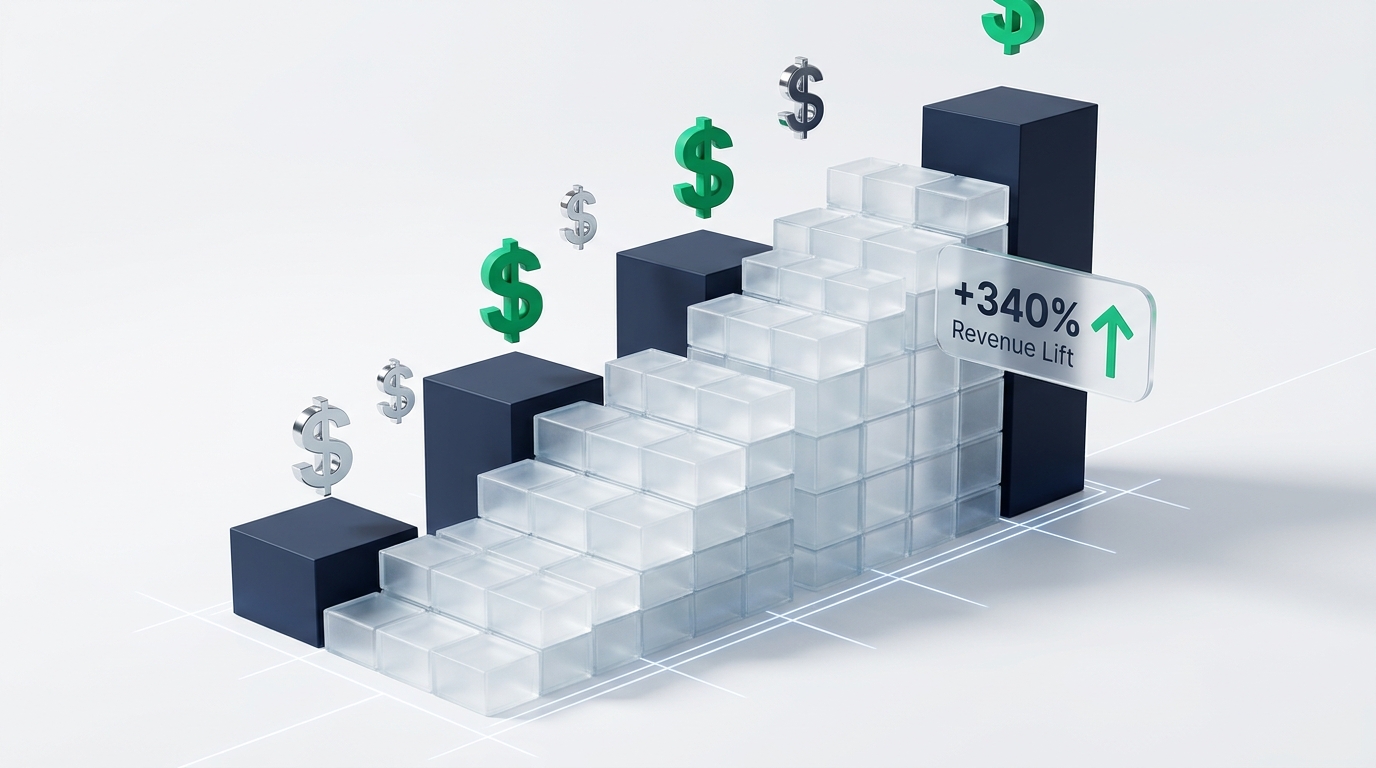
The biggest benefit of Local SEO is compounding return on investment. Once your profile claims a top-three spot on Google Maps, it continues generating qualified phone inquiries month after month without incremental ad costs.
The drawback is timeline. Building local search authority requires time. Climbing into the Local 3-Pack typically takes three to six months of consistent optimization.
Comparing the 4 Core Metrics

To choose the right starting channel, you must evaluate how both options perform across four fundamental business metrics.
1. Speed to First Phone Call
If your business launched last week and you need booked jobs immediately to make payroll, Google Ads is the undisputed winner. You can buy immediate search visibility on day one.
Local SEO cannot match that immediate speed. If an agency promises to rank you on Google Maps within forty-eight hours, they are lying or using risky tactics that cause profile suspensions.
2. Cost Per Lead Over Time
Google Ads cost per lead remains relatively flat or increases over time as competitor bidding pushes up click prices. If a plumbing lead costs eighty dollars today, it will likely cost ninety dollars next year.
Local SEO follows the exact opposite trajectory. While the initial setup requires upfront investment with modest early lead volume, your cost per lead drops steadily as organic rankings mature.
After twelve months, an established Google Maps listing can produce dozens of high-value calls at an effective cost per lead below twenty dollars.
3. Consumer Trust and Click-Through Behavior
Many consumers instinctively skip past sponsored ads at the top of search results. Tech-savvy homeowners know that anyone can pay to place an ad there.
The Google Maps Local 3-Pack captures over forty percent of all local search clicks. Consumers trust organic map listings because Google displays authentic star ratings, physical addresses, and proximity badges.
4. Asset Ownership vs Rented Real Estate
Spending money on Google Ads builds no equity. When your monthly budget runs out, your visibility disappears instantly.
Investing in Local SEO builds an owned digital asset. Your Google Business Profile, optimized website, customer review library, and directory citations remain yours permanently.
How Local Services Ads (Google Guaranteed) Bridge the Gap
Between traditional Google Ads and organic Local SEO sits Google Local Services Ads, commonly known as LSAs. LSAs appear at the very top of mobile search results with a green Google Guaranteed badge.
Unlike standard Google Ads, LSAs charge per phone lead rather than per click. If someone calls and hangs up after three seconds, you can dispute the charge directly inside your dashboard.
For many home service contractors, launching LSAs offers an ideal middle ground. You get rapid phone inquiries while avoiding wasted click budgets.
In our guide on choosing Google Business Profile categories, we highlighted that LSA eligibility connects directly to your verified primary category.
The Trade-Specific Rule of Thumb

Your service industry plays a critical role in deciding which marketing channel you should launch first.
Urgent Distress Trades (Start with Google Ads)
Consider emergency services like water extraction, towing, emergency lockouts, or severe drain clogs. When someone experiences an emergency, they need immediate assistance.
They click the first relevant link or call button at the top of mobile search results. If you operate an emergency trade, Google Ads captures immediate buyers instantly. You can secure jobs today while building organic SEO in parallel.
Planned Consideration Trades (Start with Local SEO)
Now consider planned trades like kitchen remodeling, cosmetic dentistry, landscape architecture, or commercial roofing. Customers rarely hire a contractor for a thirty-thousand-dollar remodel on impulse.
They research companies extensively, read dozens of reviews, inspect past project galleries, and compare reputations. For consideration trades, establishing five-star prominence on Google Maps delivers far higher conversion rates than unprompted search ads.
Customer lifetime value also dictates your marketing channel. If a single new customer generates thousands of dollars in repeat business, paying high click costs on Google Ads makes economic sense.
If your average ticket size is small, paying fifty dollars per click will quickly wipe out your profit margins. Low-ticket trades should prioritize organic Local SEO.
The Smart Hybrid Strategy: How to Use Both Channels

You do not have to treat Local SEO and Google Ads as mutually exclusive enemies. The most profitable local businesses combine both channels into a coordinated growth engine.
Smart operators use Google Ads to generate immediate cash flow during their first six months. Every job funded by paid ads gives you a chance to earn reviews. Follow the blueprint in our guide on how to get more Google reviews.
Those customer reviews feed directly into your Google Maps profile, accelerating your Local SEO authority. Once your organic Maps ranking climbs into the top three, you can gradually trim your paid ad spend on high-cost keywords.
This hybrid approach protects your cash flow today while building permanent market leadership for tomorrow.
Local SEO vs Google Ads Head-to-Head Comparison
Here is an objective comparison to help you choose the right starting marketing channel for your business.
| Comparison Factor | Google Ads (PPC) | Local SEO (Google Maps) | Best Business Strategy |
|---|---|---|---|
| Speed to Results | Immediate (Within 24 to 48 hours) | Gradual (3 to 6 months to mature) | Choose Ads if you need immediate customer calls this week |
| Long-Term Cost Trend | Ongoing cost per click; prices rise with competition | Cost per lead drops dramatically as rankings compound | Local SEO delivers vastly superior three-year return on investment |
| Consumer Trust Level | Moderate (Some users skip sponsored ad labels) | High (Local 3-Pack carries organic credibility) | Maps rankings produce higher closing rates on phone calls |
| Budget Requirement | Requires minimum $1,500 to $3,000 monthly ad spend | Requires upfront setup and consistent review workflows | Ensure positive unit economics before scaling paid ad budgets |
| Traffic Sustainability | Traffic stops instantly when ad budget pauses | Rankings and reviews persist over time | Local SEO builds an appreciating business asset |
| Ideal Starting Point | New businesses needing immediate cash flow | Established businesses seeking sustainable growth | Combine both in a staged hybrid rollout |
Choosing between Local SEO and Google Ads is not a permanent decision. Start where your immediate cash flow requires, build your organic foundation steadily, and establish true market prominence.